

















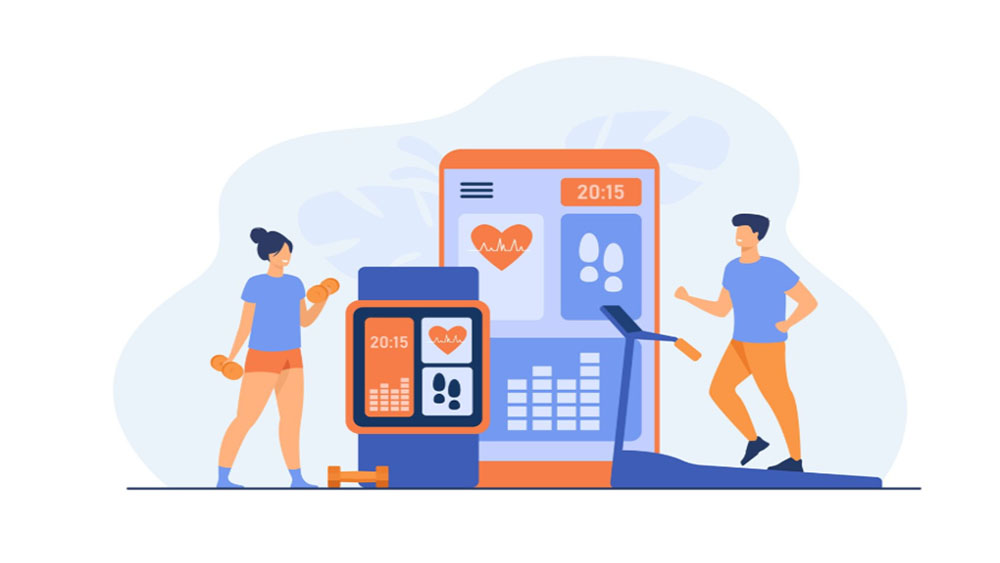
Fitness apps are everywhere in 2026. Some count steps. Some offer workout programs. Others help people track calories and meals. Many business owners are looking at this market and thinking about creating their own app. But how much will it cost?
The budget varies as every app is different. It depends on the app features, design, development work, and other parts of the project. Look at where the money actually goes to understand the cost.
Why Fitness Apps Keep Growing in Popularity
Fitness apps were often used as an addition to gym workouts. But many people use them every day now. They count steps, track calories, follow workout programs, and monitor their progress. Many apps also provide training tips based on user activity and results.
The market continues to grow for a simple reason. People like working out on their own schedule and seeing their progress directly on their phone.
Plan the Budget Before Development Starts
Many founders start thinking about features before they think about the budget. First comes the wish list: a personal trainer, workout videos, smartwatch integration, a social network for fitness enthusiasts, and many other interesting ideas. Then comes the moment when it is time to pay for development.
Feel like you are overpaying? Turn to specialized fitness app development services during the planning stage. They help you understand which features are really needed at the start and which ones can be added later. Sometimes the difference between a good MVP and an overloaded project can be tens of thousands of dollars.
How Much Does It Cost to Develop a Fitness App in 2026?
One company wants a simple app that counts calories and stores workout history. Another wants workout videos, subscriptions, smartwatch support, and personal recommendations. So the prices are all different, too.
- A basic MVP often costs around $20,000. Many startups choose this option because it gives them a chance to launch something real without spending a fortune.
- The budget gets much bigger when you design workout plans, user accounts, and detailed statistics, and costs around $50,000–$150,000.
- Things like workout libraries, coach messaging, personalized suggestions, and membership payments can make a project much more expensive. Budgets above $200,000 are common for apps with features like these.
You can find a huge difference between an app that just counts calories and a platform that helps thousands of people train, track results, and manage their fitness journey.
What Has the Biggest Impact on Cost?
Interestingly, the idea itself rarely has much impact on the budget. What matters far more is what the app actually does.
For example:
- User registration and profiles
- Workout plans
- Video lessons
- Progress tracking
- Apple Watch or Fitbit integration
- Push notifications
- Payment systems
- AI recommendations
More features usually mean a bigger budget. That is why the cost of fitness apps can be so different.
What Makes Up the Development Budget?
Many people think all the money goes to developers. In reality, there is much more to the process.
First comes planning. The team needs to decide on the features, create the structure of the future app, and understand what users need. Next comes design. This is where the screens, menus, buttons, and navigation are created.
After that comes development and usually takes the biggest part of the budget. Then you have testing. Nobody wants to launch an app where registration works one day and fails the next, or where the payment button suddenly stops working.
Only after all of that is the app ready for the App Store and Google Play.
Which Features Cost the Most?
When you simply want to build a fitness app with basic workouts and a user profile, the budget usually stays under control. But some features can increase costs very quickly:
- Live workout sessions
- AI-based recommendations
- Wearable device integration
- Social feeds
- Video calls with trainers
- Large content libraries
Each of these features adds more work for the team. In some cases, a single feature can cost almost as much as a small MVP.
Keep Costs Down Without Sacrificing Quality
You do not need to give up all your ideas. In most cases, starting with an MVP is enough. No need to launch ten features at the same time. Release a basic version, look at user reactions, and only then add new features. Many popular digital products started this way. Instead of spending hundreds of thousands of dollars on features that nobody ends up using, companies first check demand.
The cost of a fitness app can vary a lot. It depends on the features and the goals of the project. A good approach is to start with the most important features, test the idea with real users, and add new things later.